Nando
How do financial services feel like for unbanked entrepreneurs?
Interbank went through its Digital Transformation journey, and created a digital product to rethink peruvian financial services.
Context
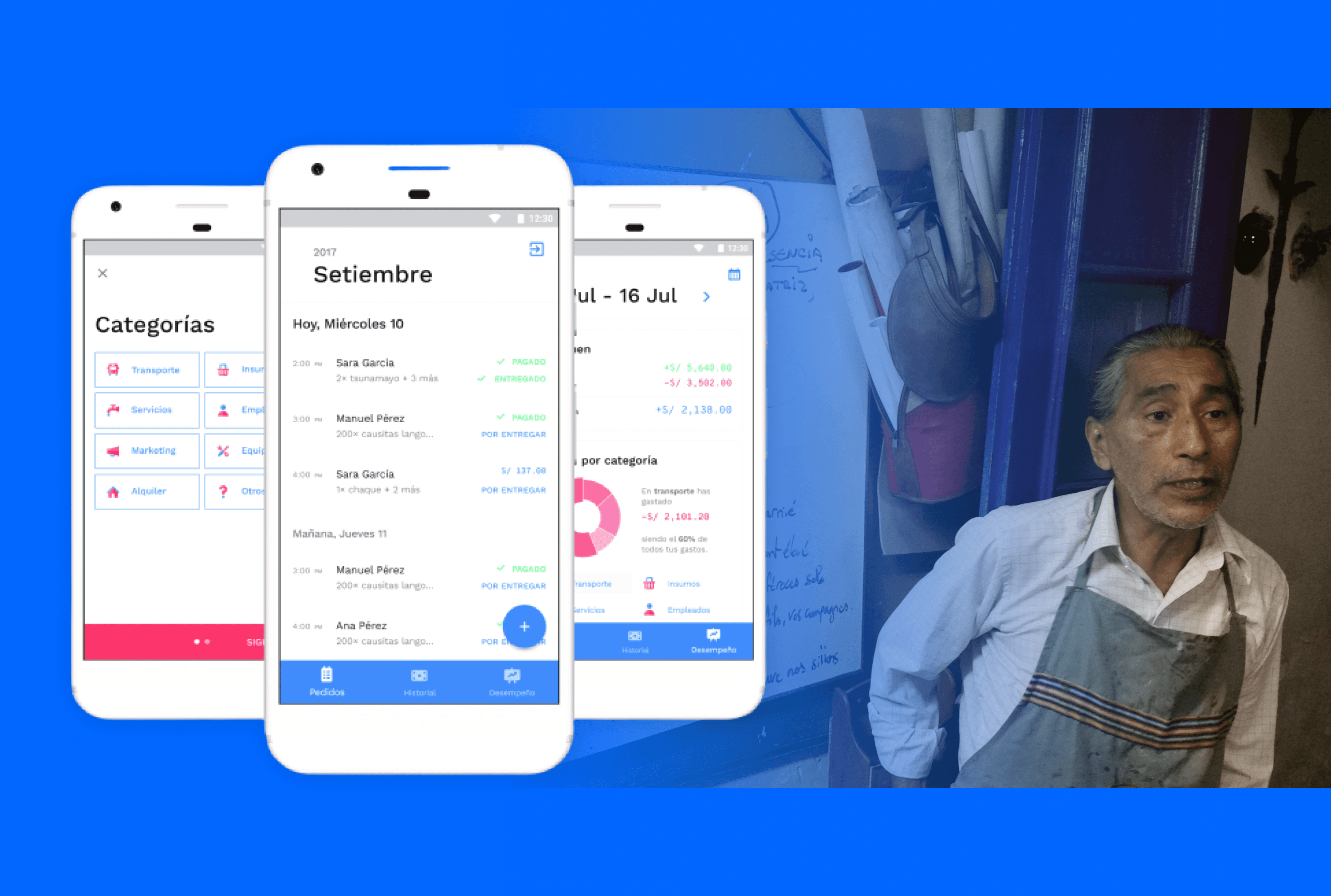
Nando is a corporate venture created from scratch during the early days of Interbank’s digital transformation. Our goal was twofold: building a digital tool for micro entrepreneurs while crafting a version of agile methodologies that can be adopted by the whole organization. A project with such freedom enabled us to dig into the origins of money and debt, while understanding local behaviors around money.
This process involved the initial input from IDEO and Globant. As the product evolved, the core team had to develop multiple skills in order to keep it alive.
Team: Core product team (Interbank), Dev Consultants (Globant) & Design Strategy (IDEO + La Victoria Lab)
My role: Lead Design & UX Researcher
Methods: Ethnographic research, early stage prototyping, product definition.
Challenge
This project was launched in a very uncertain and ambiguous framing: building any kind of financial tool for a niche of users yet to be determined. We dug into the origins of money and debt while understanding behaviors and social dynamics around money in Peru (a country that has an informal economy that accounts for 70% of its GDP). This project was divided into two stages: MVP definition and product refinement.

Approach
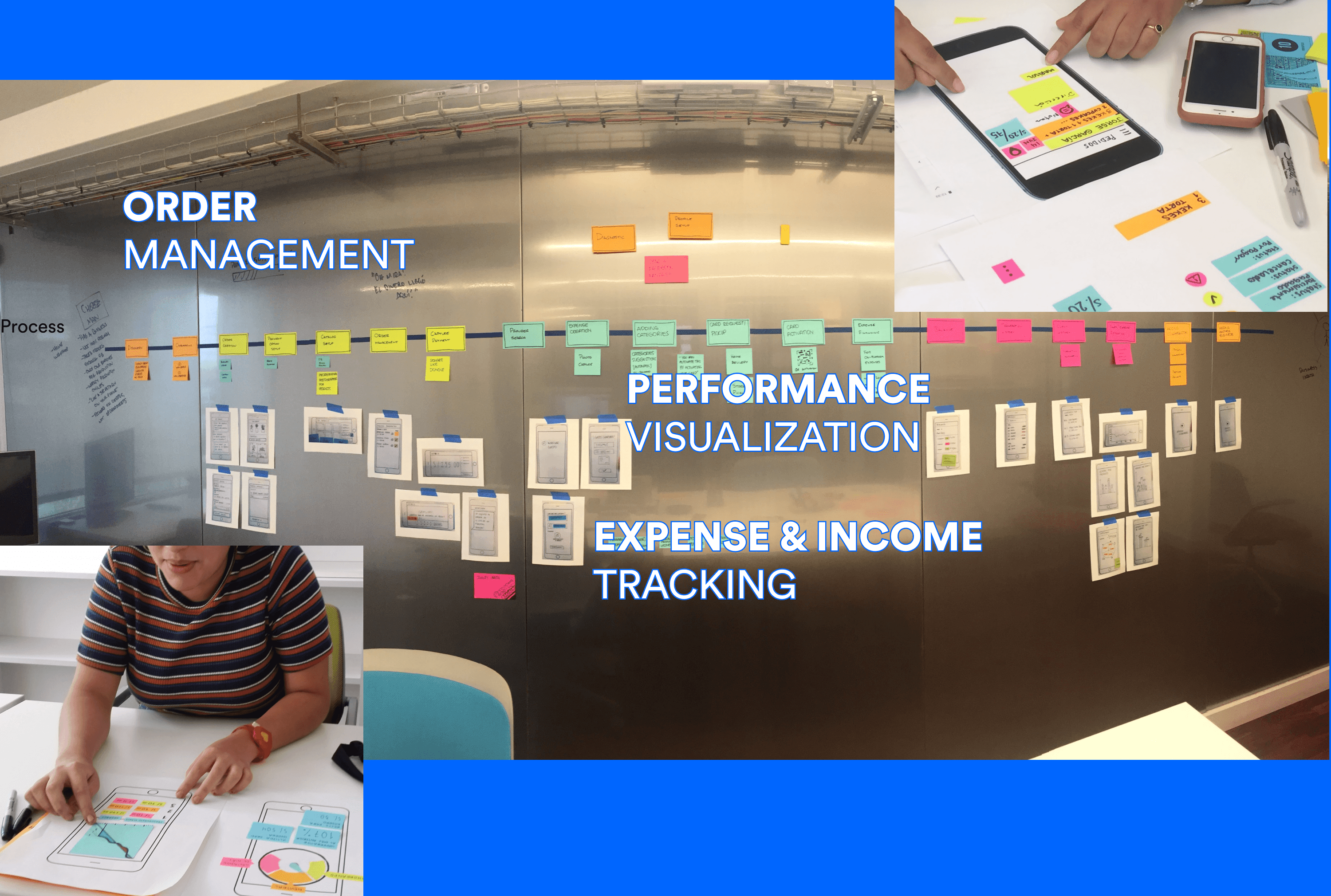
For product definition, we spoke with over 40 participants and gained insight into how they manage their finances. Throughout their journeys, we found that micro entrepreneurs are the ones struggling the most because they might be the best at their craft, but usually ignore the business and financial aspects of it. The lack of planning strategies would kill their business without them realizing it until it was too late. We generated several concepts and low-fidelity prototypes to discover what is truly urgent for them when managing a business.
18
Concepts + early
stage prototypes
30+
User discovery interviews
A perfect tool takes time.
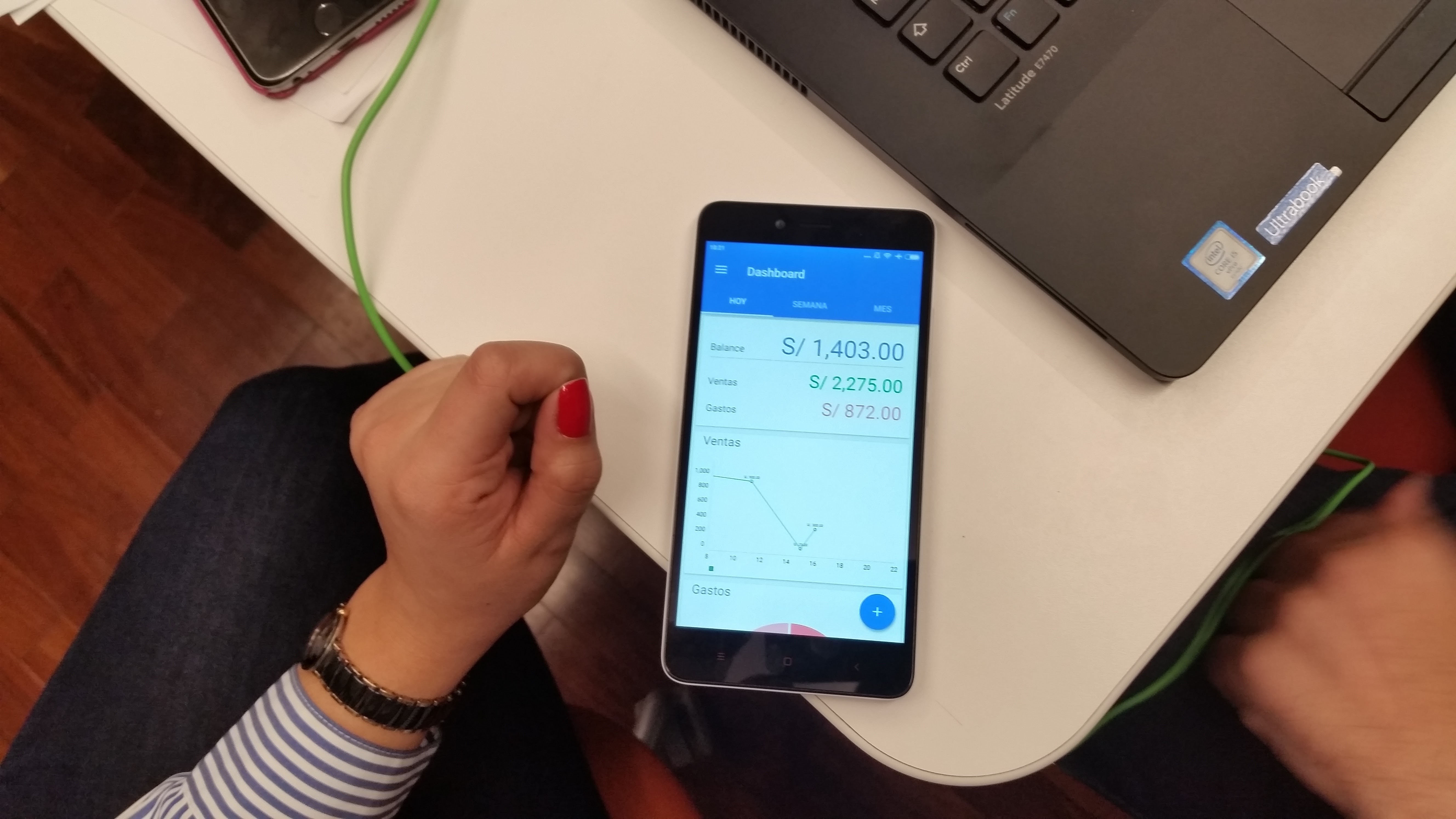
During the second stage, we defined an alpha release, which was basically a calculator of income and expenses.
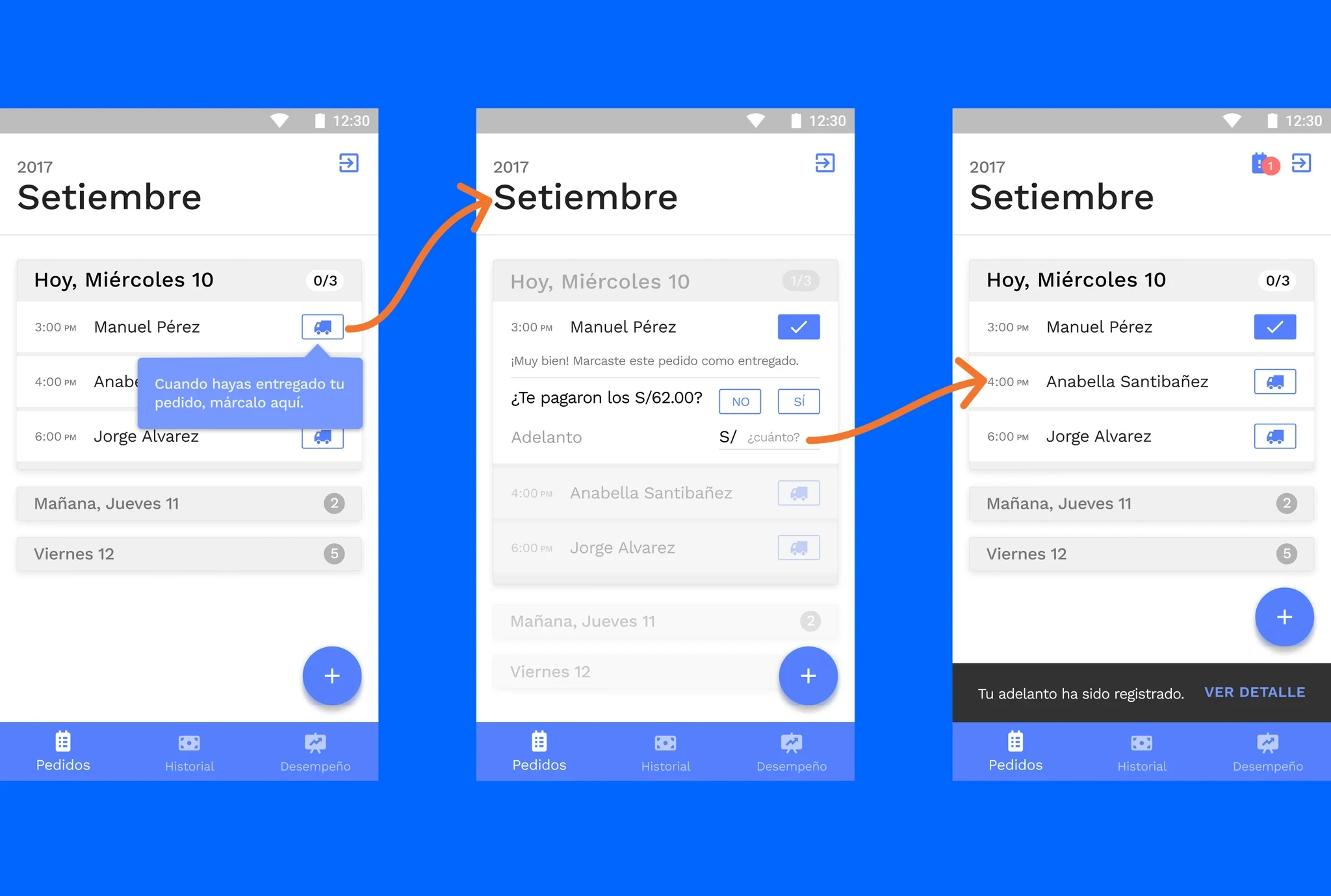
If our assumptions around this basic tool were right, then we could be able to build many things on top of it. For our beta release, we leaped into a tool that calculated income and expenses, but tied to the delivery of products and payments follow-up.
Outcome
We ended up with a working product that was running in parallel to Interbank’s tech infrastructure. The potential integration meant that we had to find another niche of users that already had issues with invoicing and tax declarations, and a bit further than our initial target (unbanked micro-entrepreneurs). Given that many things had to take place on the bank’s infrastructure, we froze the project, but also took the chance to tour around the company and share our learnings.

Takeaways
It’s significantly easier to make product decisions when you have defined a highly specific niche of users. However, as the solution solves their problem more deeply, the more complex it becomes to expand into other segments.
An alpha release is supposed to be embarrassing. Our team could’ve used more time learning about the mechanics of inputting data into our system, instead of rushing towards an open beta.
© 2026 Enrique Peralta. All rights reserved.