Relink
Will robots take my job?
Relink aims to bridge the gap between workers' current skills and the ones required for emerging roles in highly fluid markets.

Context
Relink is data driven platform that aims to 1) clearly identify transferable skills, 2) find relevant and emerging roles in the market, and 3) connect users with modular learning programs. Traditional education cannot keep up with technological innovation and there's a need to shorten lecturing hours required to upskill or reskill workers.
Team: +20 contributors across Latin America focusing on Policy, Product & Engineering, and Data & Instructional Design
My role: Data & Instructional Design Lead
Tools: Relational databases, Service mapping, stakeholder management
Challenge
Relink is a public-private initiative that had a strategy to market, but needed to build their platform from scratch. There are many nuances when building a technology that operates at a government level, and is required to work for millions of users. Our interdisciplinary discovery process helped us understand emerging roles in different industries, and de-constructing the educational offer for them. Meanwhile, we dived into ontological definitions of skills and occupations in order to define an operations model for the platform.
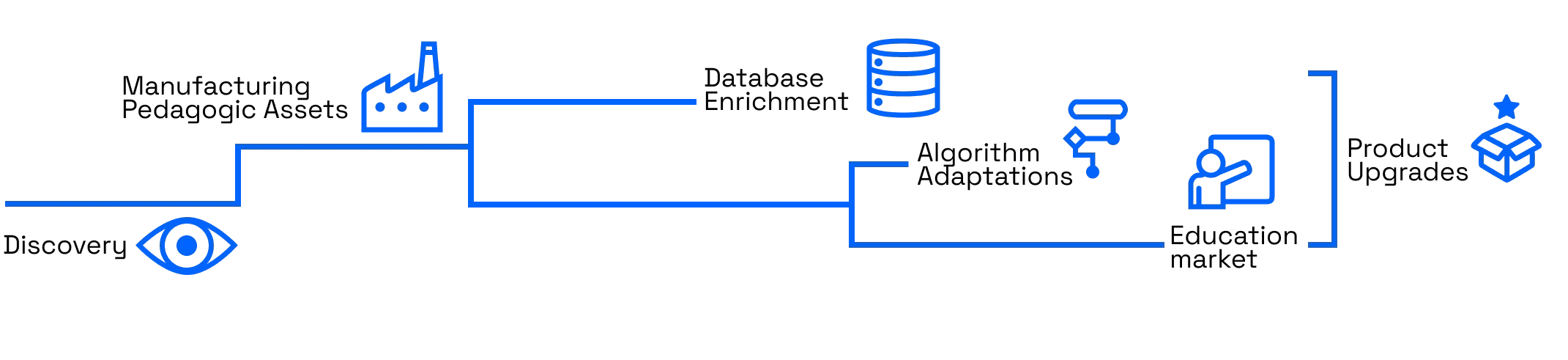
Approach
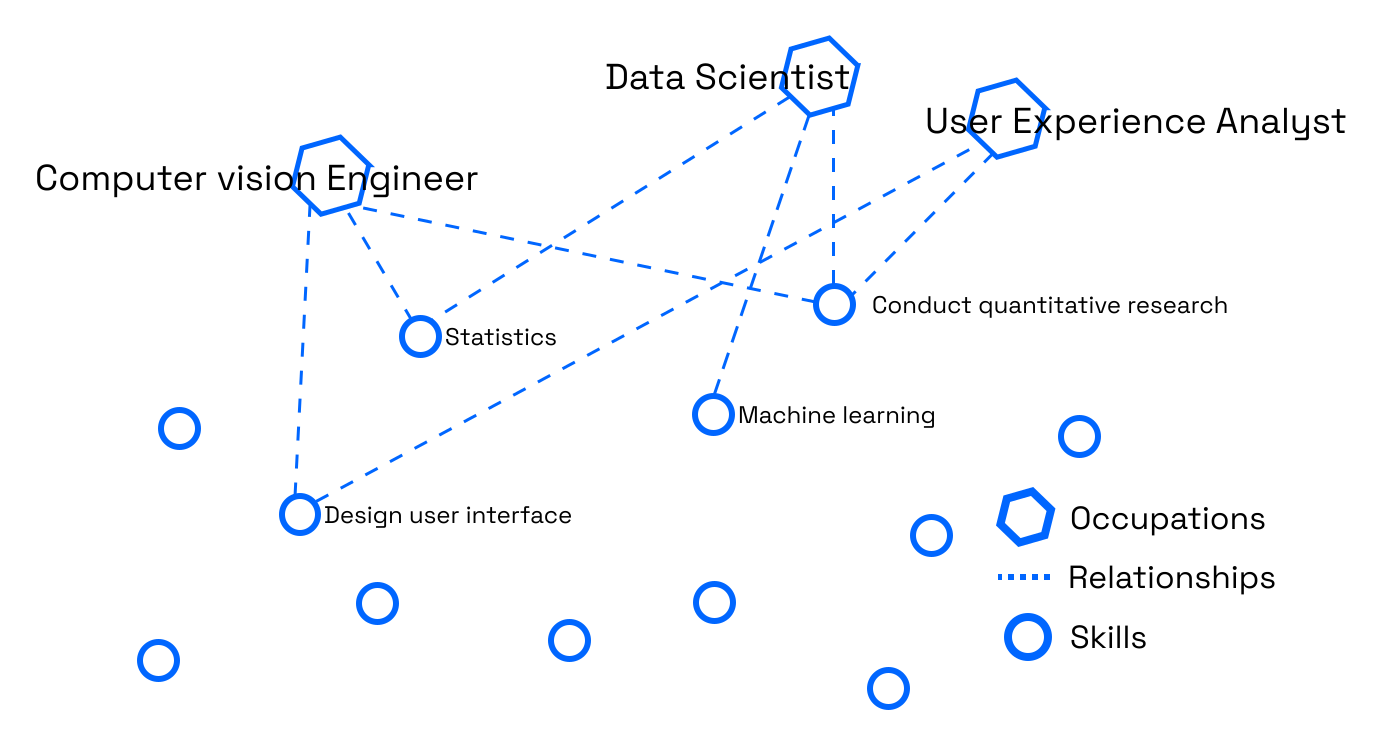
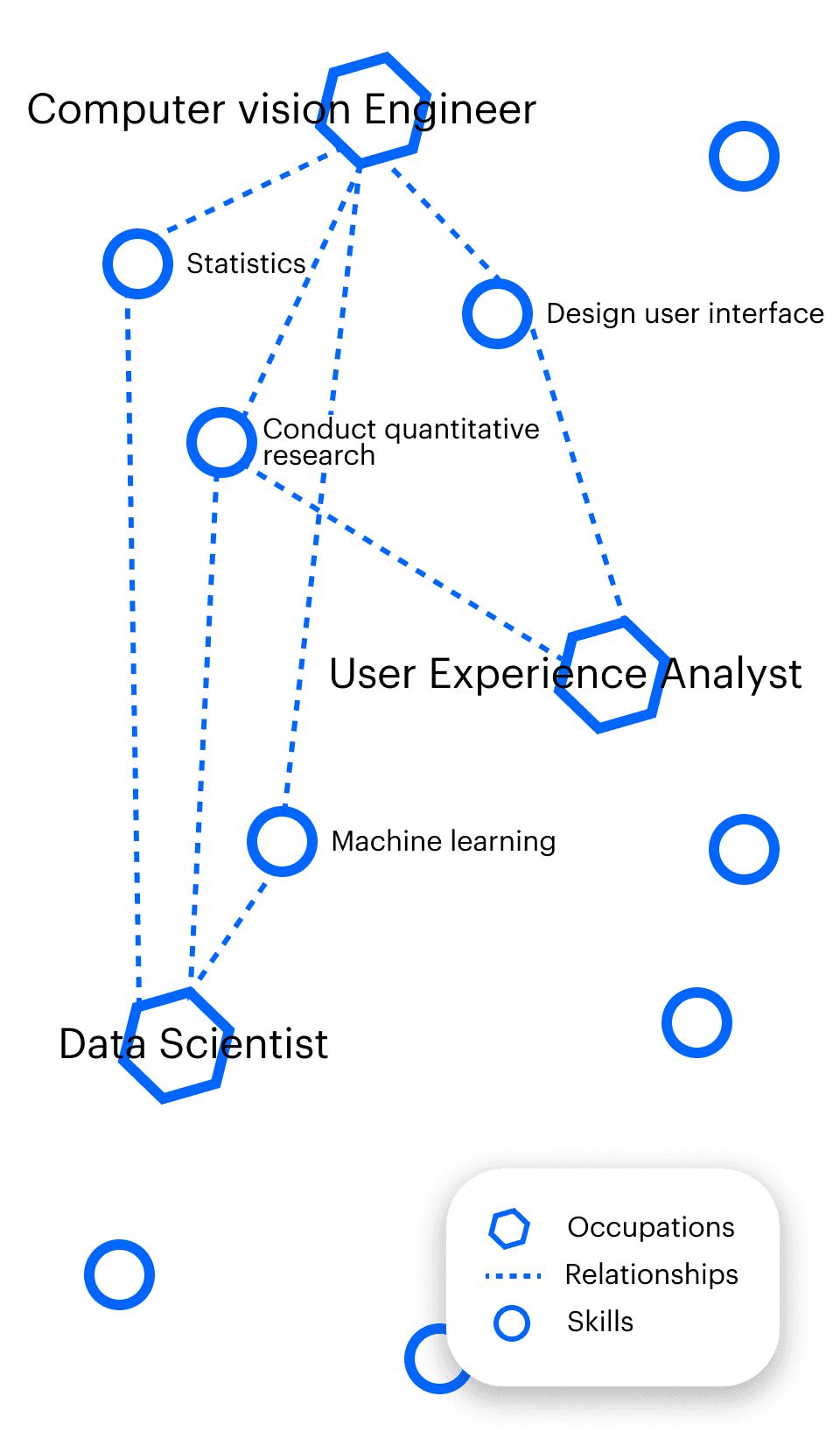
I was introduced to a data onthology through ESCO and its massive dataset. It's a network of concepts that go at different levels of abstraction. With this definition of job markets, my team had to find how it could fit Chile's labor dynamics.
Relink's users would need to input their previous work or educational experience, then our algorithms will display occupations with the highest potential of reskilling. After that, we'll connect them with bootcamps or institutes that will cater their very specific needs.
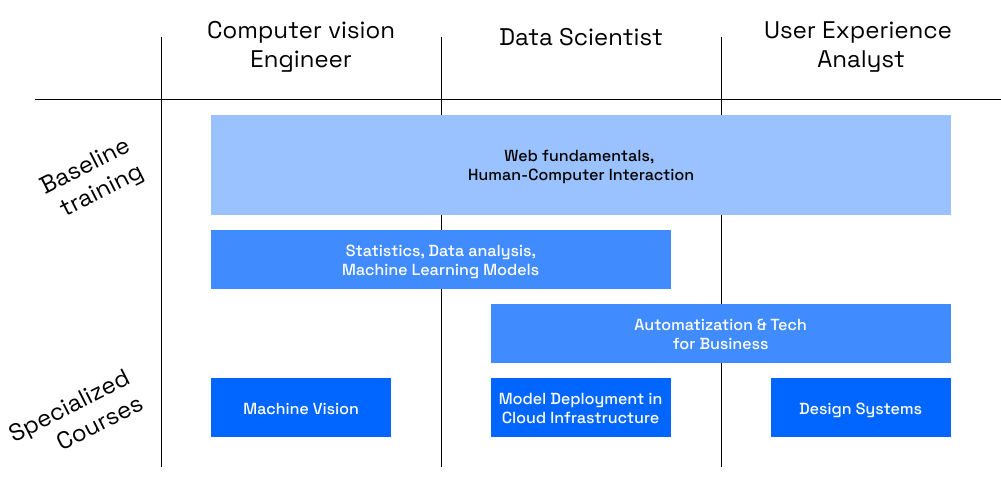
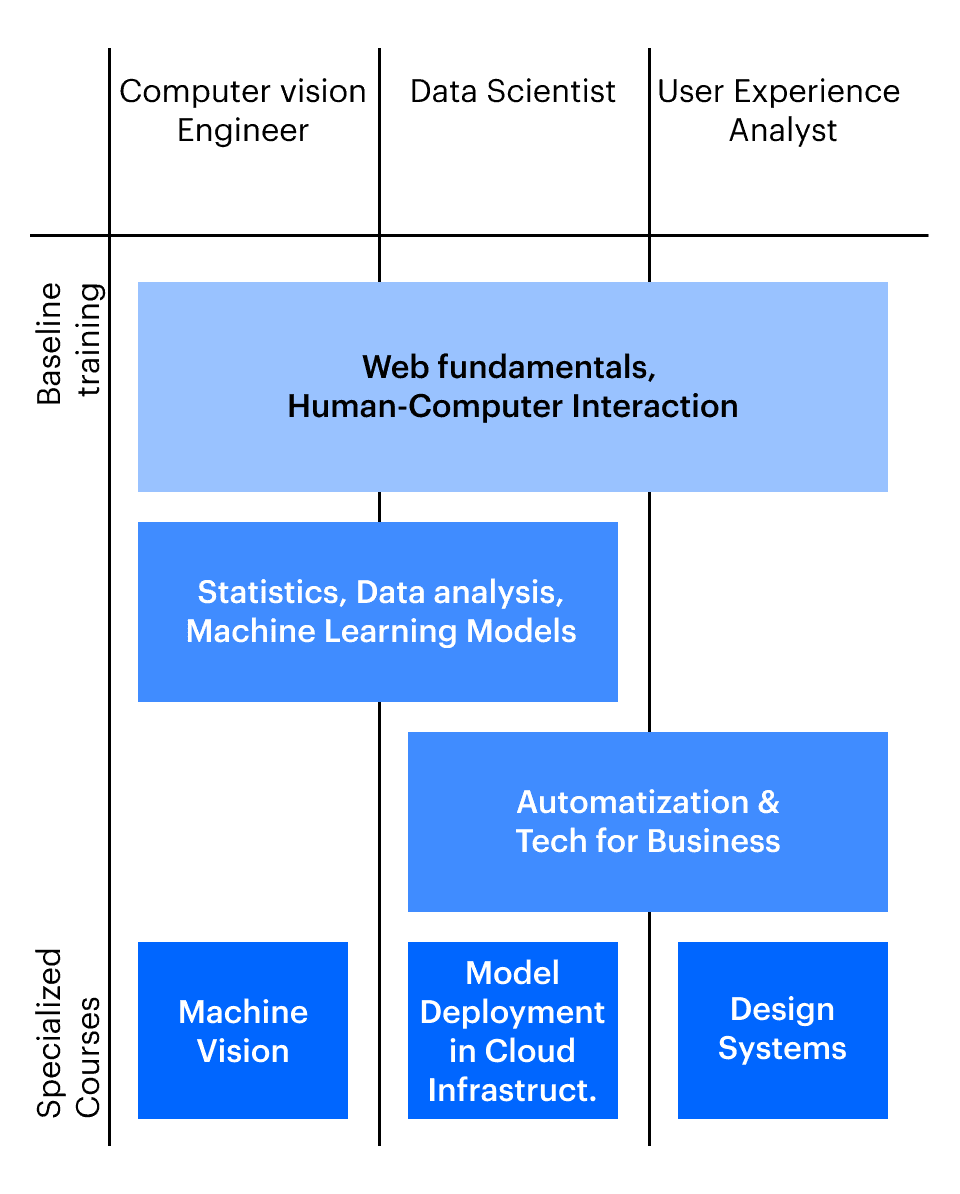
We interviewed experts and co-created learning paths for each emerging role at the platform: all the way from tech engineers to operators in smart factories.
The jump from abstraction to validation required us to go back and forth between the backend development and our end users. We cross-validated if these modular offerings made sense for professionals.
Many rules defined by my team were encoded in the main algorithms that gives out reconversion recommendations.
Outcome
Our team aimed to build the essentials of each new feature or perform incremental upgrades to existing ones. By doing so, we wanted to make sure that we were testing our hypotheses and measuring user behaviors. I’ve worked on updating several features, including sign-up, trial search + referrals, as well as filters.
I’ve also designed the UI of an AI-powered tool that applies LLMs to filter out multiple criteria all at once.
Takeaways
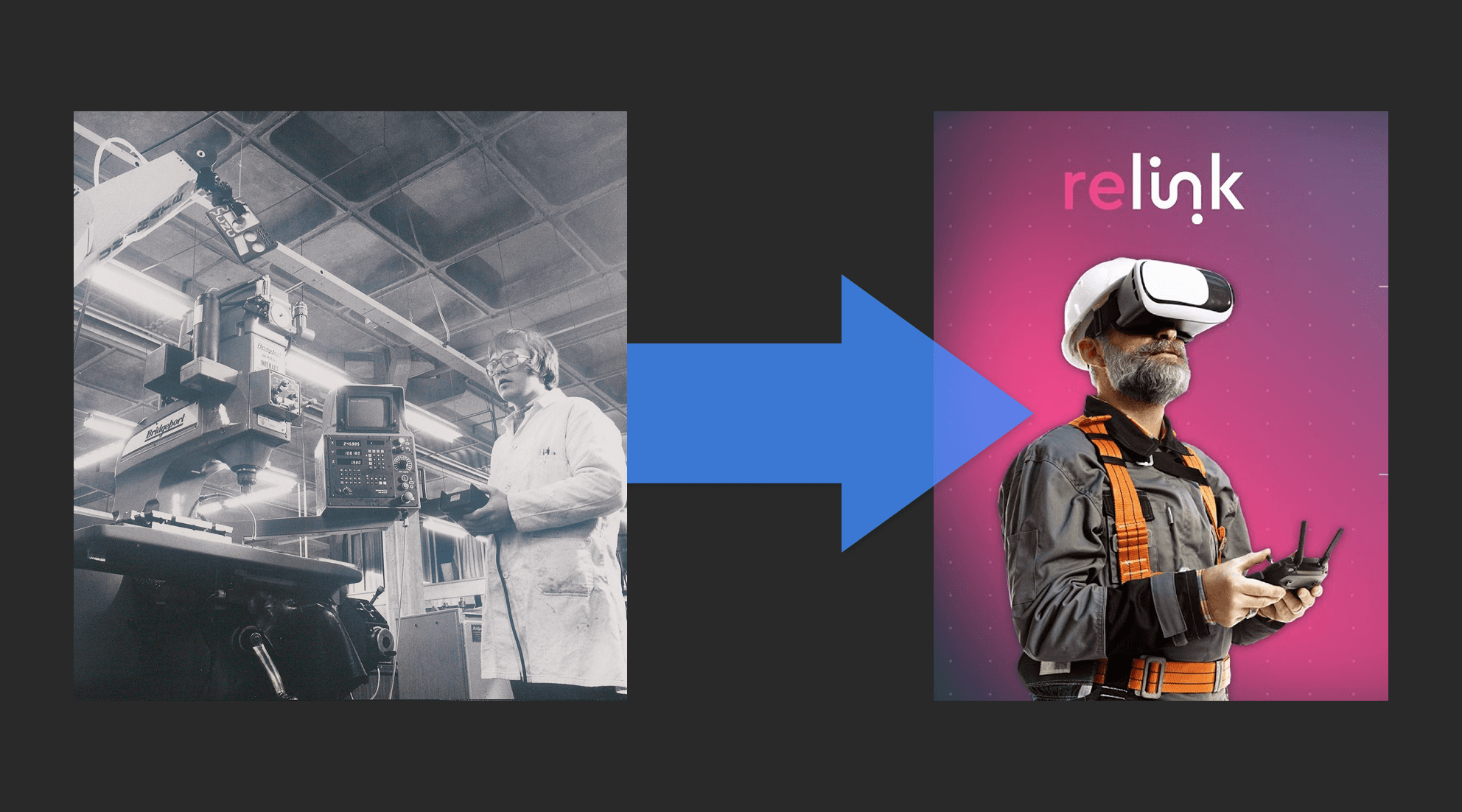
Traditional education moves way slower than what the job market requires and assumes that we need to learn skills from scratch. Work and life experiences are usually not accounted for.
Task automation and the obsolescence of roles are creating an urgency for shifting careers in a more agile way. It’s a nationwide effort to prevent citizens from ending up in more precarious occupations.
The promise of algorithms that provide scores works like magic, but there’s a huge responsibility to provide transparency on their underlying rules. They have the potential to put users in vulnerable circumstances or create perverse incentives to perform better.
© 2026 Enrique Peralta. All rights reserved.