What would happen if we take the means of food production with our own bare hands?
This project analyzes data derived from food manufacturing practices in order to rethink the consequences of contemporary lifestyles, and how fermentation as a technology can tackle such a massive issue.
Context
This is an exhibition part of my master’s degree in Data Design led by Elisava & Domestic Data Streamers. It’s been divided into two sections:
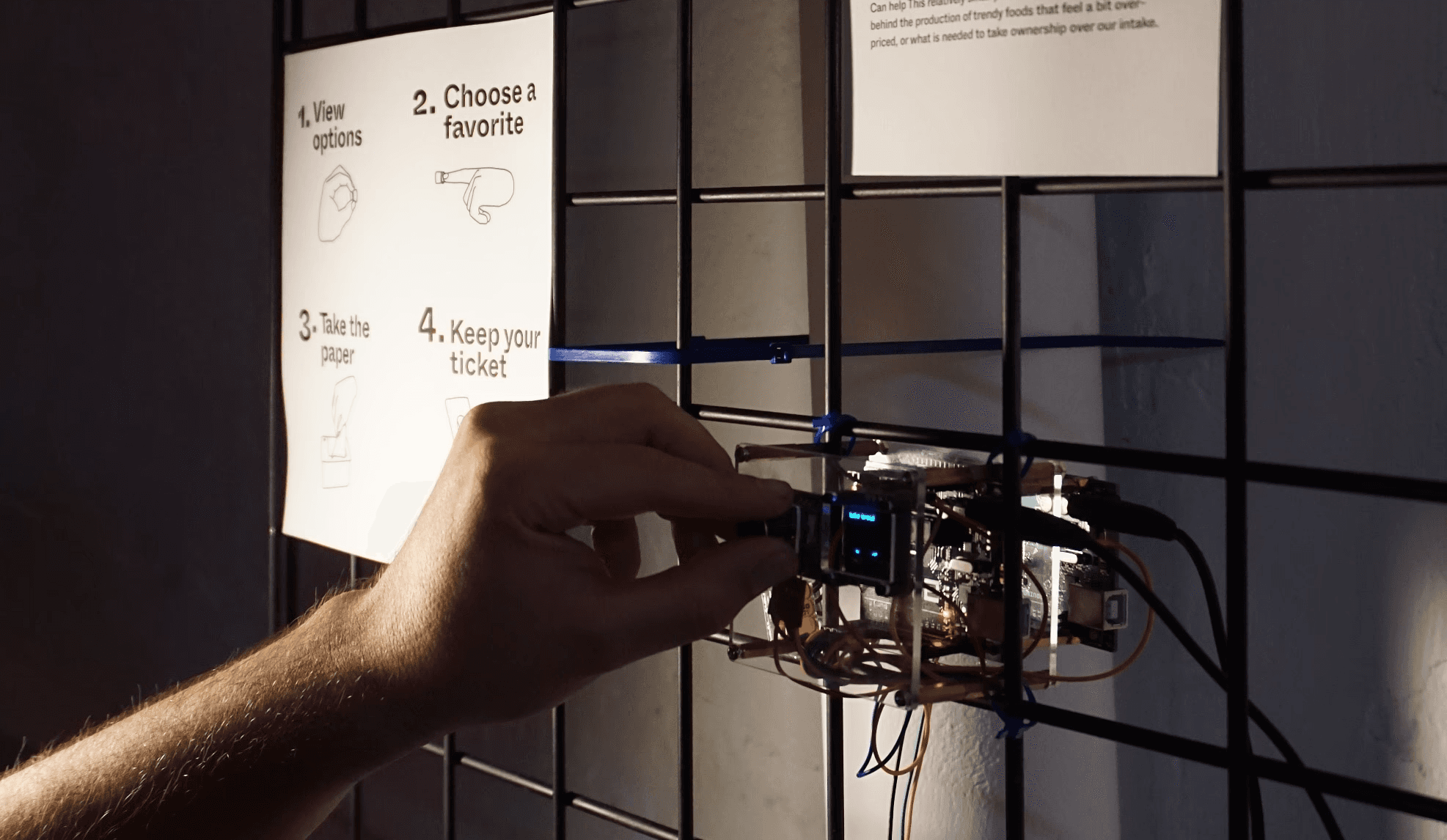
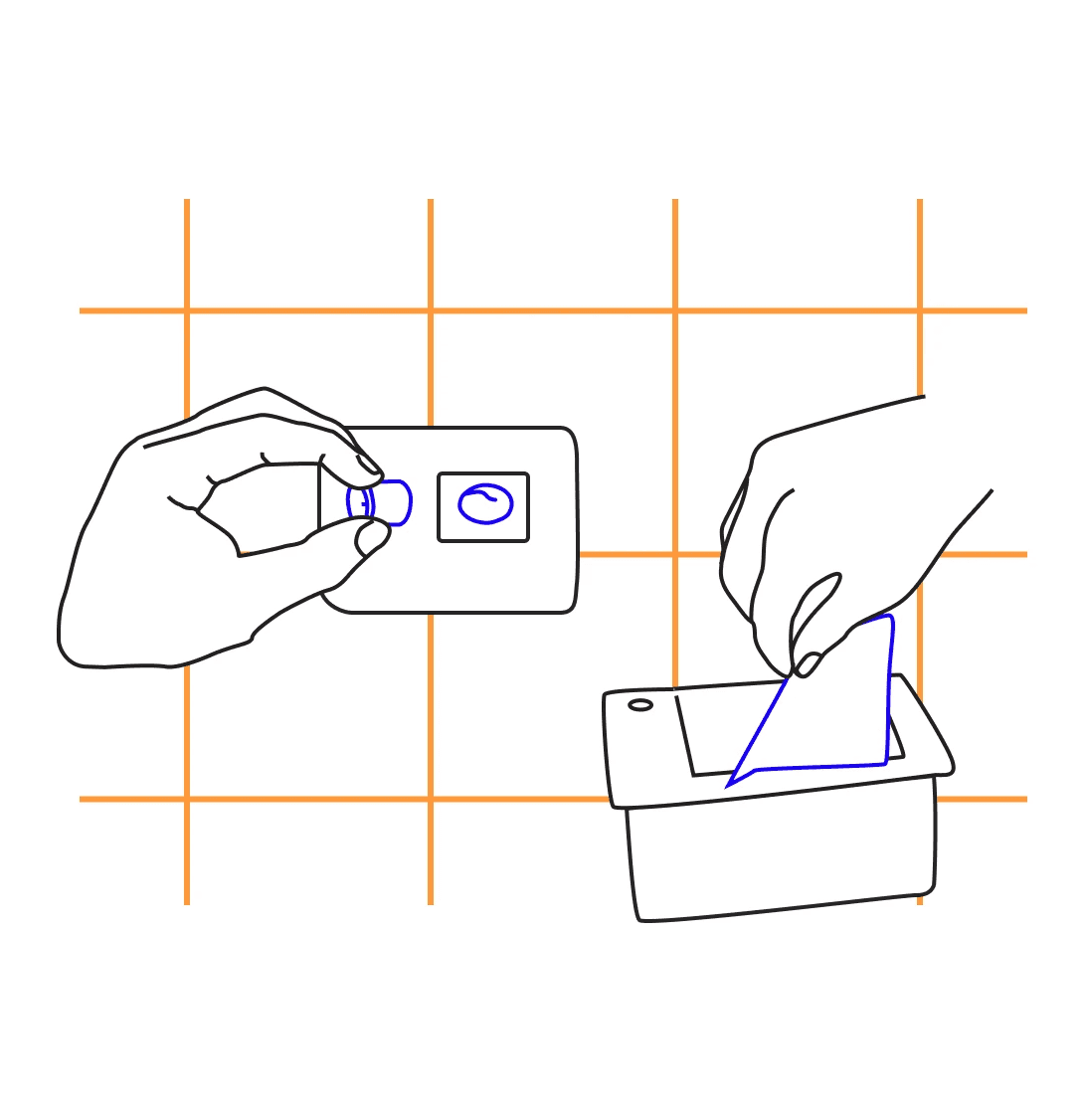
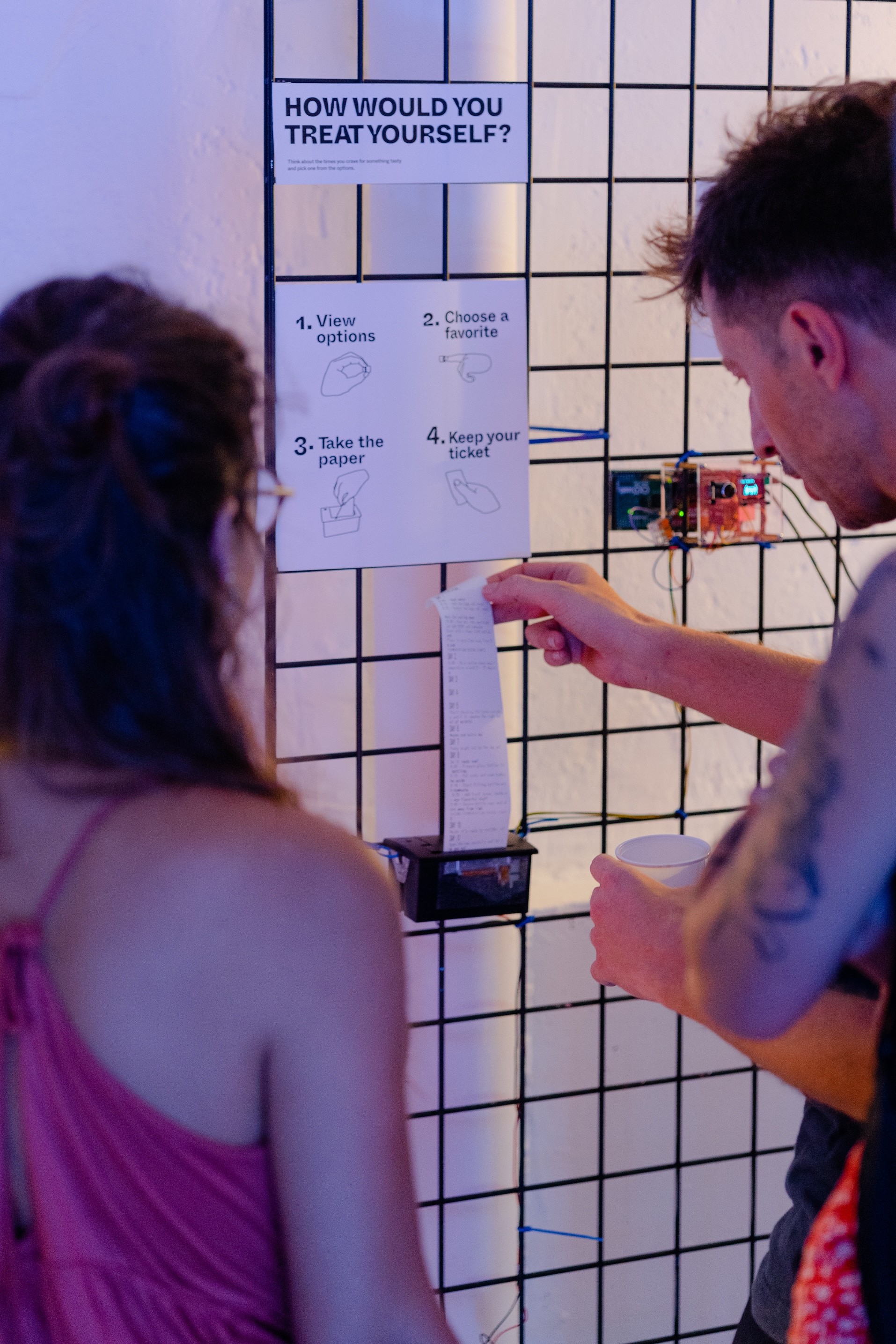
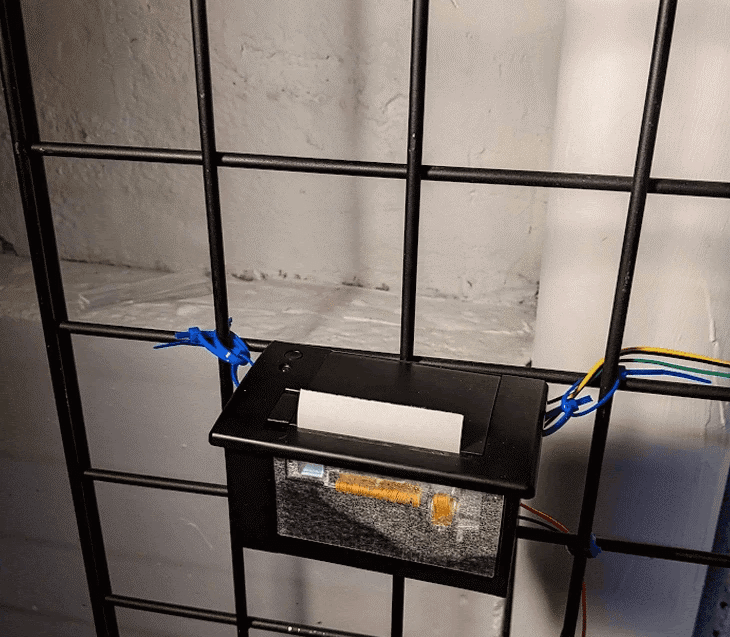
Part 1 is an interactive installation confronting visitors with the privileges of time and well-being. Arduinos, thermal printers, and little electronics helped them print out the timeline of recipes for trendy fermented foods.
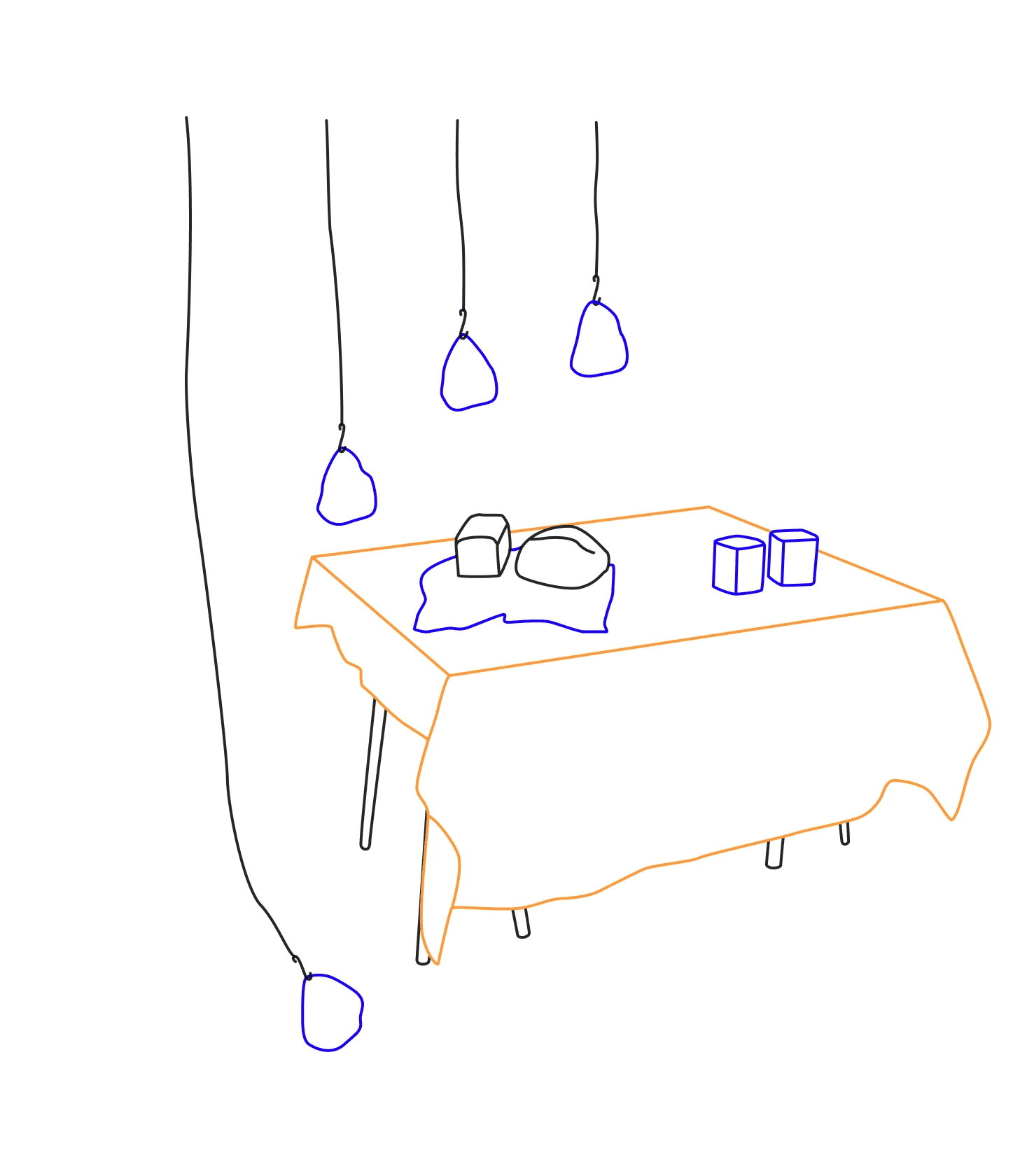
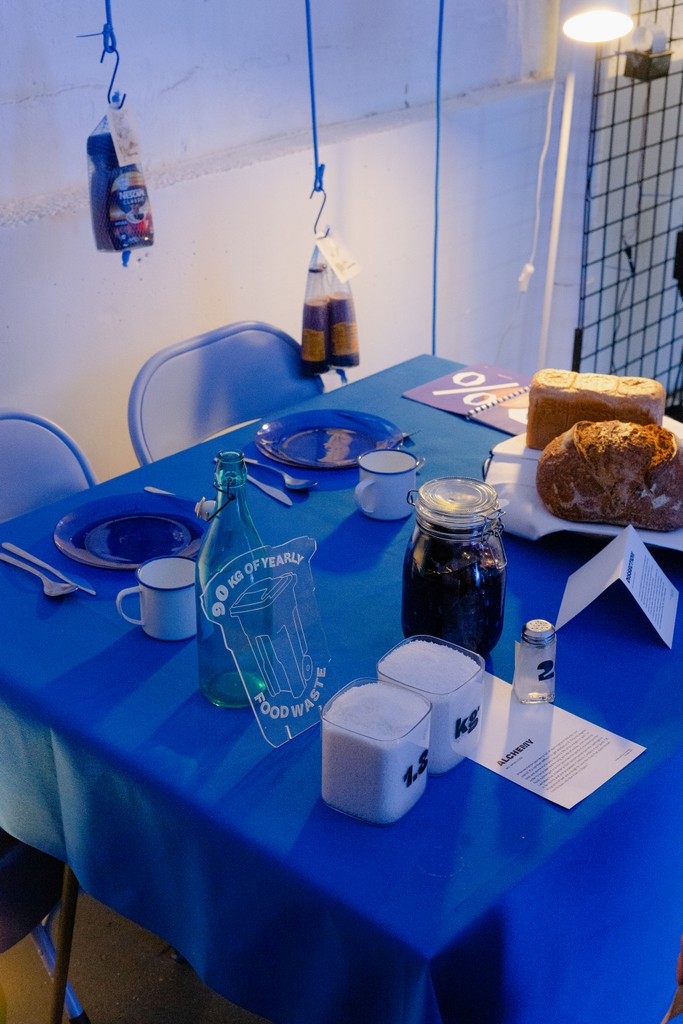
Part 2 included physical metaphors of food-related data, which helped visualize supply chains, manufacturing, and waste.
Skills:
Product engineering
Growth & Marketing
Concept and storytelling,
Exhibition Design & Art Direction
Physical + digital prototyping
Challenge
I knew there was something magical about fermentation, happening mostly for the person who engages with the practice and those who realize that you’re dealing with living organisms to sustain yourself. However, there was a bigger opportunity to visualize the planetary-scale problems the food industry is creating. How do you make these two perspectives coexist in a small exhibition space? We’ll figure it out now.
Approach
How do you translate a reflection about privilege that speaks about the abundance in time, money, and other forms of capital when choosing the food you consume? Calendars and recipes were intertwined here, and I found the perfect material to render it: a thermal printer receipt.
Won’t get into the details of how messed up was to put together all the circuitry, but extremely fun at the same time.

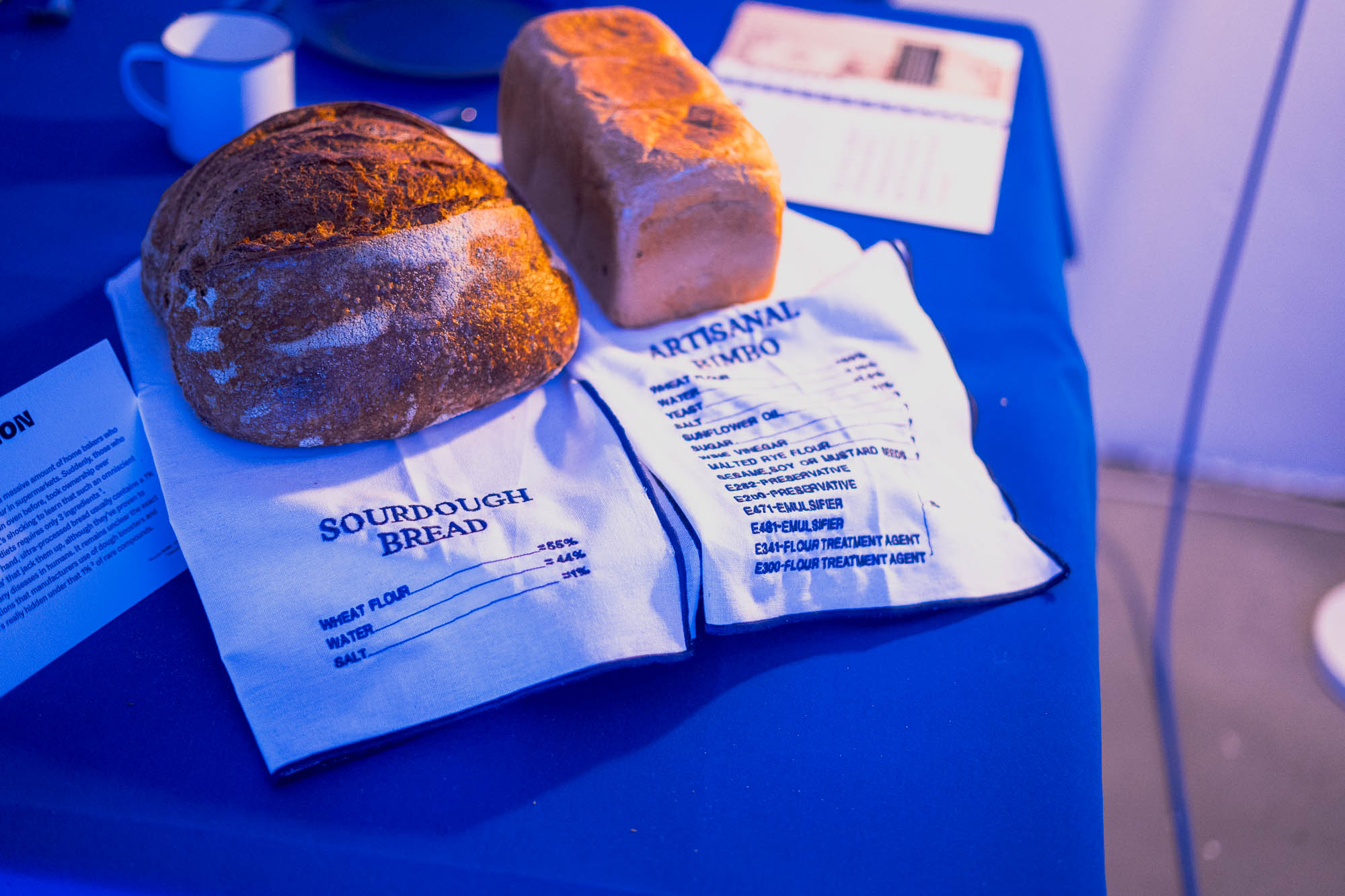
For the other installation, I spent a fair amount of time sourcing and compiling data from the Observatory of Economic Complexity, ingredient labeling systems, normative, etc. By the end, it made sense to make explicit the hidden routes, shady ingredients, and wasted material that happen at our tables.
Outcome
This exhibition took place for 5 days, where dozens of people were able to learn and ask questions about the origins of the food they eat. I had some conversations with visitors, pointing out how little control we have over what we ingest and how it affects our bodies and minds. This also opened the gateway to other pop-up events where fermentation is still becoming a rising star within a community of food enthusiasts.
Takeaways
My obsession with ferments quickly turned into a guilt trip around the broken relationship we have with food, but people don’t necessarily thrive under such narratives. This project triggered the severe impact that literal comparisons generate, especially if you present a positive alternative to the issue being adressed (in this case fermentation).
Each one of the pieces in this project could’ve been a thing on their own if I had narrowed my scope from the beginning. It’s nice to navigate a space and find multiple things going on, but sometimes, you’ve got to give some breathing and thinking space to visitors.
© 2026 Enrique Peralta. All rights reserved.